


BESA Post-Soviet Conflicts Research Digest No. 34 (July 2026)
In July 2026, the BESA PSCR program analyzed political developments in Ukraine, Russia, Central Asia, and the South Caucasus.

In July 2026, the BESA PSCR program analyzed political developments in Ukraine, Russia, Central Asia, and the South Caucasus.

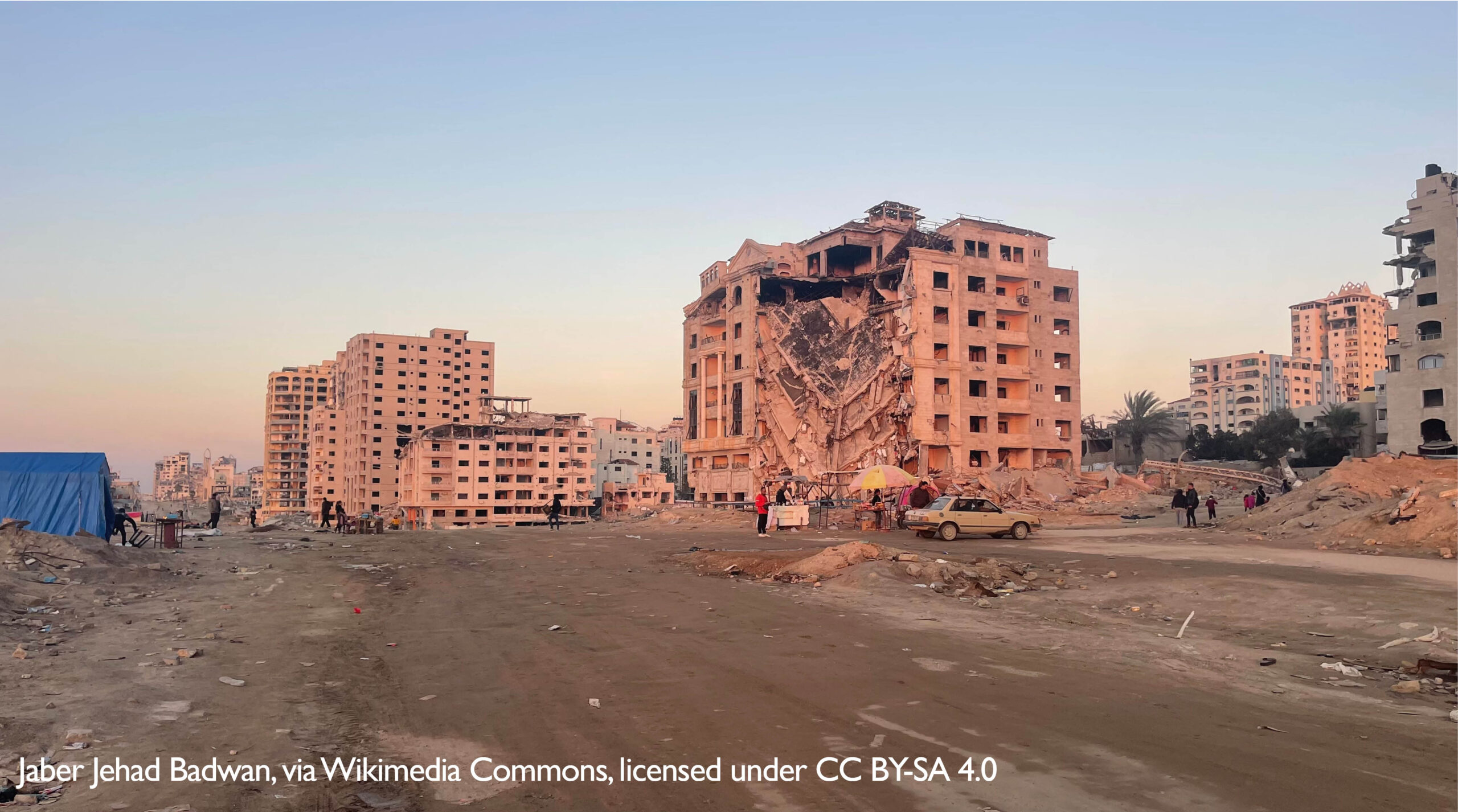
Following the October 7 war and the documentation of the atrocities committed by Hamas against Israeli civilians, the limited political legitimacy the organization had retained within the Palestinian political system eroded dramatically. The Palestinian elections scheduled for 2026 are being held in a framework of institutional reform intended to align the Palestinian Authority with international requirements as it seeks international recognition of a future Palestinian state. One of the reform’s defining features is the deliberate exclusion of Hamas and Palestinian

BESA Center Perspectives Paper No. 2,399, August 2, 2026 EXECUTIVE SUMMARY: The dynamics of the US-Iranian issue are the product of the clash between Donald Trump’s approach to business negotiations, which involves promoting a state of instability as the basis for advancing a deal until its signing and then following up with stable implementation, and the approach of the Iranian regime, which is to prolong negotiations until the deal conforms as much as possible to its own ideological and strategic

Israel has had the technological and industrial wherewithal to manufacture its own fighter-bombers since the early 1970s—yet ever since the mid-1980s, Jerusalem has repeatedly passed up this option in favor of continuing to rely on the United States to fulfill the IAF’s manned aircraft requirements. In light of current trends in both Israel and the United States, Jerusalem must urgently revisit this approach. Israel needs to design and build its own fighter-bomber—a Lavi 2.0.

For many years, the Armenian question has constituted one of the most sensitive issues in Israeli–Turkish relations. Although it was never at the core of the bilateral relationship, it repeatedly resurfaced whenever the question of recognizing the Armenian Genocide was raised, confronting Israel with a complex dilemma: how to balance its commitment to historical memory and the struggle against genocide denial with the strategic importance of its relations with Turkey. Over the years, the Israeli Ministry of Foreign Affairs has

Two issues have dominated the period since the last update: the escalation in skirmishes between the United States military and that of Iran on the one hand, and the declarations that an agreement has been reached between the United States and Iran on the other. However, the contours of the supposed agreement are unclear. Immediately after the two sides declared that they had come to terms, they offered completely contradictory descriptions of what was contained in the agreement. The reality

We are pleased to invite you to attend our upcoming webinar titled “The Impact of the War with Iran on the Eastern Mediterranean,” organised jointly by Strategy International (SI) and the Begin- Sadat Center for Strategic Studies.
This webinar brings together leading experts from Strategy International and the BESA Center to examine how the conflict is affecting energy security, regional alliances, and the geopolitical balance among key regional and international actors.
The webinar will take place on Wednesday,

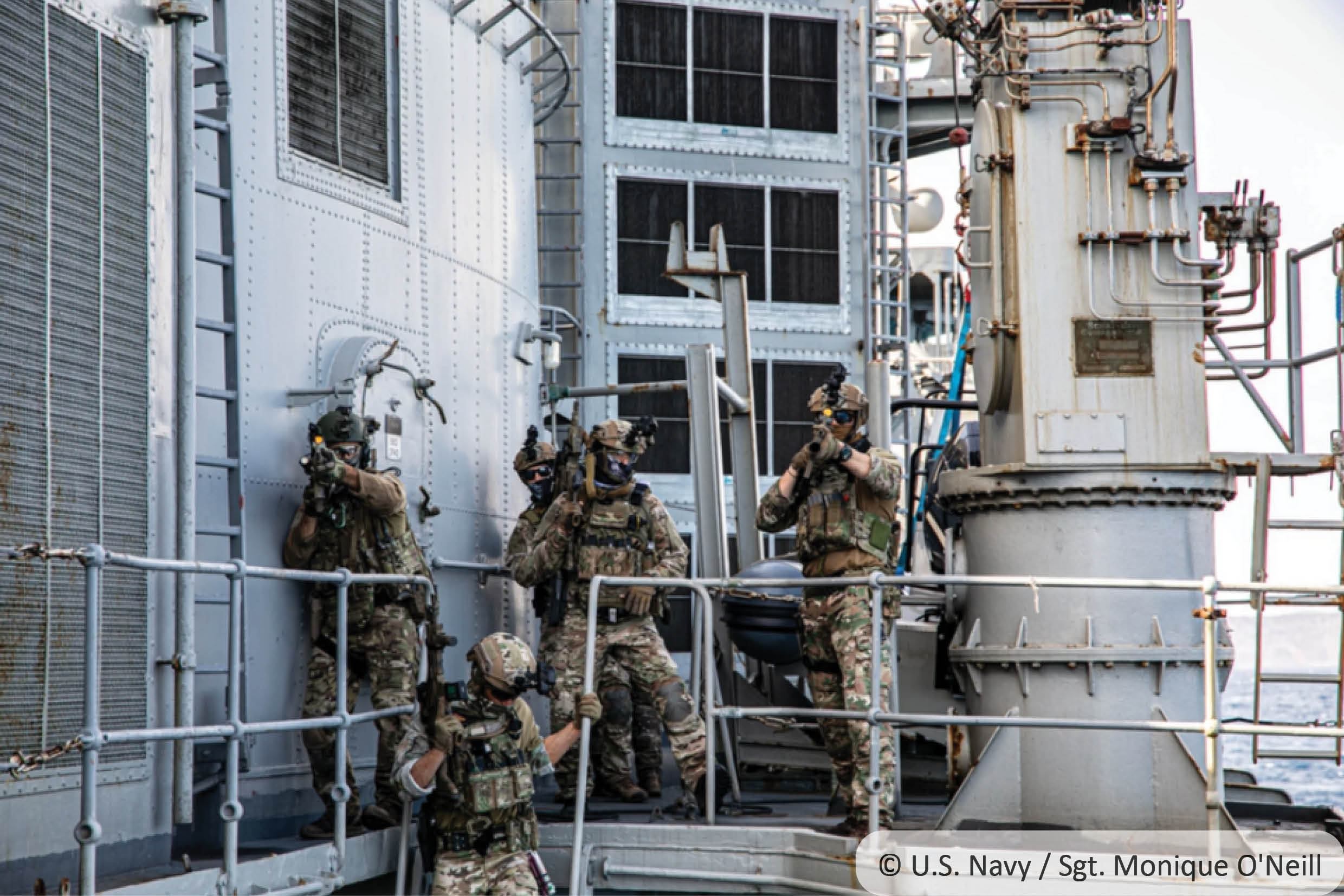
The most recent—though highly unlikely to be the last—war between the US and Iran was fought by an American president whose irresolution allowed a critically weakened Iran to snatch victory from the jaws of defeat. The fear of “boots on the ground”, unjustified though it was by the reality of the conflict, has emboldened America’s most committed and resolute enemy to double down on its catastrophic national and international policies.

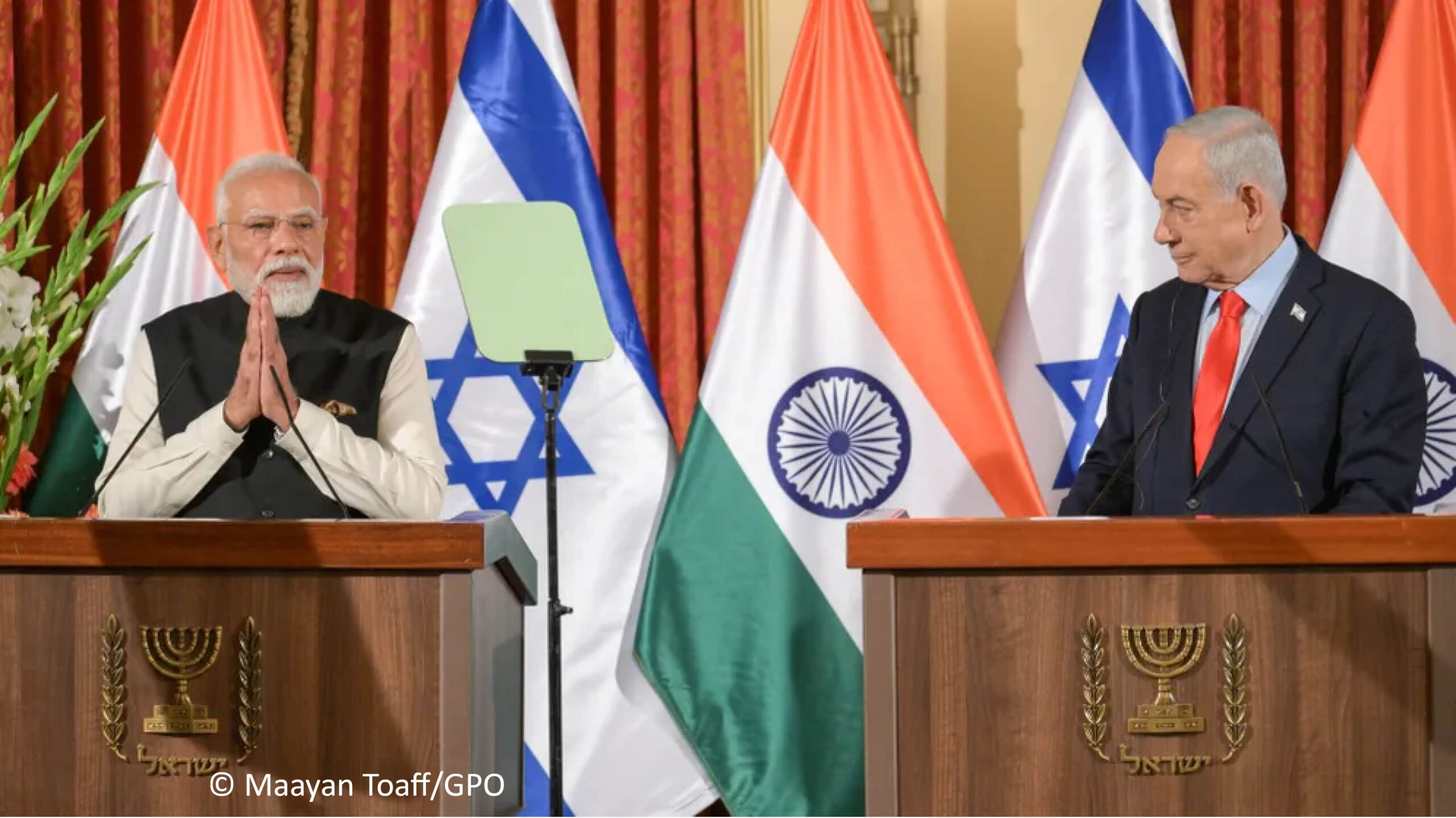
The India-Middle East-Europe Economic Corridor (IMEC) is a seminal connectivity initiative linking India, the Middle East, and Europe. For it to succeed, its infrastructure, routes, ports, and chokepoints must be effectively protected. This applies across the maritime space stretching from the Indian Ocean to the Eastern Mediterranean. Attacks on commercial shipping in the Red Sea, persistent tensions around the Strait of Hormuz, and the growing vulnerability of undersea infrastructure have highlighted the security challenges facing contemporary trade networks. In the

The scope of the signed Memorandum of Understanding (MoU) between the United States and Iran is very narrow. The MoU creates an interim state of deescalation between the United States and Iran within a rough, non-binding framework for future negotiations toward a permanent settlement. Despite its limitations, the MoU will serve as the primary strategic driver shaping the Middle East and beyond for at least the next six months. A net assessment of the MoU’s implications reveals that while the

In June 2026, the BESA PSCRP authors have analyzed a wide range of regional issues, including the recent developments in Eastern Europe, South Caucasus, and Central Asia.

Israeli gas exports to Syria are already a reality, but they are conducted indirectly, through swap deals and resale arrangements with Jordan and Egypt rather than through a formal Israel-Syria contract. This creates a strategic dilemma for both sides. On the one hand, a direct Israel-Syria gas contract could provide clearer accountability, stronger safeguards against disruptions, and a basis for future energy cooperation that may include Lebanon as well. On the other hand, direct gas trade could be politically premature
BESA Center publications and research are made possible thanks to the generosity of Saul Koschitzky and family